1. Introduction
Libraries are institutions responsible for the collection, organisation, dissemination and preservation of recorded knowledge. They preserve the intellectual, cultural, educational, scientific and historical achievements of human civilisation. Throughout history, people have recorded their knowledge on different materials, including stone, clay tablets, papyrus, palm leaves, birch bark, parchment, paper and various modern information carriers.Every material used to record information has a finite physical lifespan and remains vulnerable to deterioration. Some documents may survive for several centuries under favourable conditions, while others may become damaged within a comparatively short period. Their survival depends on the nature of the material, the conditions under which it is stored, and how it is handled and used.
For example, a manuscript written on handmade paper two hundred years ago may still be readable, whereas a newspaper printed only fifty years ago may have become yellow, weak and brittle. Similarly, a rare historical document may lose its scholarly value if its writing becomes illegible, its pages are damaged, or parts of the document are lost.
This situation makes preservation and conservation two essential responsibilities of libraries and information centres.
Preservation and conservation are concerned with safeguarding library materials against deterioration and loss so that recorded knowledge remains available to present and future generations.
The importance of this responsibility is recognised internationally. IFLA emphasises that libraries and archives maintain authentic records of knowledge and contribute to education, research, cultural identity, accountability and the protection of human rights.
2. Preservation as a responsibility of the library
The responsibility of a library does not end when it acquires a book or document. Its responsibility continues throughout the material's life.A library must ensure that documents remain available for consultation, teaching, research and future reference. If a library possesses valuable resources but allows them to deteriorate through neglect, its ability to fulfil its educational and cultural functions will gradually decline.
Consider a university library that possesses annual reports dating from its establishment. These reports may not be frequently consulted today, but they may become important evidence for future studies of the institution's academic, administrative and social development.
Therefore, preservation is concerned not only with current demand but also with the potential future significance of documentary materials.
Central principle: The acquisition of knowledge resources provides access in the present, while their preservation helps sustain access across generations.
3. Meaning and Concept of Preservation
The term preservation refers to the protection of library materials from damage, deterioration, destruction or loss, to extend their useful life and ensure their continued availability.In Library and Information Science, preservation may be understood as:
- A planned and continuous process of safeguarding documentary materials and their intellectual contents from deterioration and loss, so that they remain accessible and usable for present and future generations.
- Preservation is not restricted to protecting old or rare books. It is relevant to all categories of library resources, including newly acquired publications.
- A recently acquired textbook may eventually deteriorate through frequent use, while an older manuscript may already be fragile. Preservation planning must recognise both situations.
4. Nature of preservation
Preservation has several important characteristics.- It is preventive: The principal emphasis is on reducing the risk of damage before serious deterioration occurs.
- It is continuous: Preservation is not a single activity performed once during a document's life. The condition of library materials requires continuing attention.
- It is planned: Preservation decisions require institutional policies, priorities, trained personnel and adequate resources.
- It is concerned with longevity: The fundamental objective is to extend the useful life of documentary materials.
- It is related to access: Preservation has practical value when the protected information remains available for legitimate use.
- It is a shared responsibility: Although librarians play an important role, successful preservation also requires cooperation among library administrators, conservation professionals, staff and users.
5. Example of preservation
Suppose a university library has a collection of rare publications from the early twentieth century. Many books remain in good condition, but their paper is vulnerable to deterioration.The librarian identifies the collection as historically significant and arranges suitable storage, regular condition assessment and careful handling.
These decisions constitute preservation because their objective is to protect the materials against future deterioration.
The important point is that preservation begins before the material becomes seriously damaged.
6. Meaning and Concept of Conservation
Conservation refers to the professional activities undertaken to safeguard documentary and cultural materials, maintain their physical integrity and address deterioration when necessary.In traditional library literature, conservation is commonly associated with the examination and treatment of damaged library materials.
The conservation through three related aspects:
- Examination: Understanding the condition, characteristics and causes of deterioration of an object.
- Preservation: Adopting measures to maintain the object and extend its useful life.
- Restoration: Undertaking appropriate remedial action when deterioration has occurred.
The International Council of Museums Committee for Conservation (ICOM-CC), at its 2008 conference in New Delhi, formally recognised three categories within conservation: preventive conservation, remedial conservation and restoration.
Thus, conservation can be understood as an overarching professional discipline concerned with maintaining and safeguarding the significance and physical properties of cultural and documentary heritage.
7. Example of conservation
Consider an old handwritten manuscript whose pages have become fragile and whose original binding has weakened.A qualified conservator examines the manuscript, documents its condition and determines whether treatment is required to stabilise the damaged components.
The purpose is to prevent further loss while respecting the manuscript's original characteristics.
This is conservation because the professional intervention addresses the object's existing condition.
8. Conservation and restoration
Restoration is sometimes treated as synonymous with conservation, but the two concepts are not identical.Conservation seeks to safeguard an object's material and historical significance. Restoration is a more specific activity intended to recover aspects of an object's understanding, appearance or function when these have been lost or altered.
For example, stabilising a damaged historical book falls within conservation. Reconstructing a missing structural component to make the book usable again, when justified by evidence and professional judgement, may involve restoration.
Restoration should not create a false impression about the historical authenticity of an object.
9. Difference Between Preservation and Conservation
| Basis | Preservation | Conservation |
|---|---|---|
| Meaning | Protecting library materials against deterioration and loss | Safeguarding materials through preventive and remedial professional actions |
| Main emphasis | Prevention, continued maintenance and access | Examination, stabilisation and treatment where necessary |
| Approach | Largely preventive and management-oriented | Preventive as well as treatment-oriented |
| Application | Frequently applies to entire collections | May apply to collections or individual documents |
| Personnel | Librarians, collection managers and trained library staff | Librarians and professional conservators, according to the activity |
| Example | Ensuring appropriate storage for rare manuscripts | Stabilising a deteriorating manuscript |
Imagine that a university library possesses a 150-year-old handwritten register.
Before the register becomes damaged, the librarian takes suitable measures to protect it from environmental and handling risks. This is preservation.
After several leaves become fragile, a qualified conservator examines and stabilises them. This is conservation treatment.
Both activities pursue the same broader objective: ensuring that the register and its documentary evidence survive for future use.
10. Historical Development of Preservation and Conservation
The history of preservation and conservation is closely associated with the development of writing, libraries, scholarship and human civilisation.The desire to preserve information existed long before preservation became a recognised professional discipline. Ancient societies developed practical methods of protecting their records, while modern institutions increasingly employ scientific knowledge, ethical standards and organised preservation programmes.
The historical development can be examined through the following stages.
Major stages in historical development
- Ancient period: Durable writing media and early documentary repositories.
- Medieval period: Manuscript copying, protection and institutional custody.
- Printing era: Growth of printed collections and greater emphasis on library maintenance.
- Nineteenth century: Industrial production and widespread deterioration of acidic paper.
- Twentieth century: Scientific conservation, professionalisation and international cooperation.
- Contemporary period: Integrated preservation policies and protection of documentary heritage across formats.
11. Preservation in ancient civilisations
The origins of preservation can be traced to societies that began recording information on physical materials.The development of writing made it possible to communicate knowledge beyond the immediate time and place of its creation. However, this created a new challenge: protecting the record from damage and loss.
A. Mesopotamian civilisation
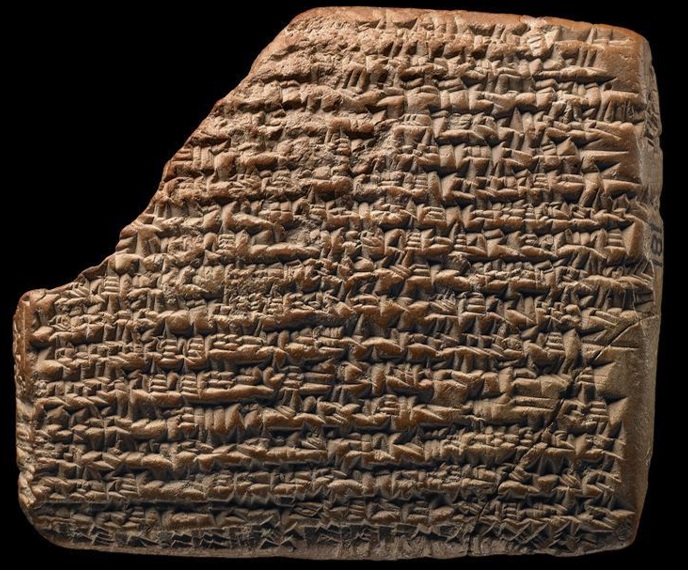
Ancient Mesopotamians used clay tablets to record administrative transactions, commercial activities, legal provisions, literature and other information.
Cuneiform writing was impressed onto soft clay using a stylus. Tablets were then dried, and some were fired, creating comparatively durable records.
The survival of clay tablets illustrates how the choice of writing material influenced the longevity of information.
Example: Clay tablets recovered from ancient Mesopotamian sites provide evidence about trade, governance, mathematics and literary traditions. Their survival demonstrates that physical durability was an important feature of early information carriers, even though ancient societies lacked modern conservation science.
B. Ancient Egyptian civilisation
Ancient Egyptians used papyrus as an important writing material. Papyrus was manufactured from the papyrus plant and commonly arranged into sheets and scrolls. These were used for religious, administrative, literary and other records. The dry climate aided the survival of many papyrus documents in parts of Egypt.
Their history provides an important lesson: the material characteristics of a document and the environment in which it survives can be equally significant.
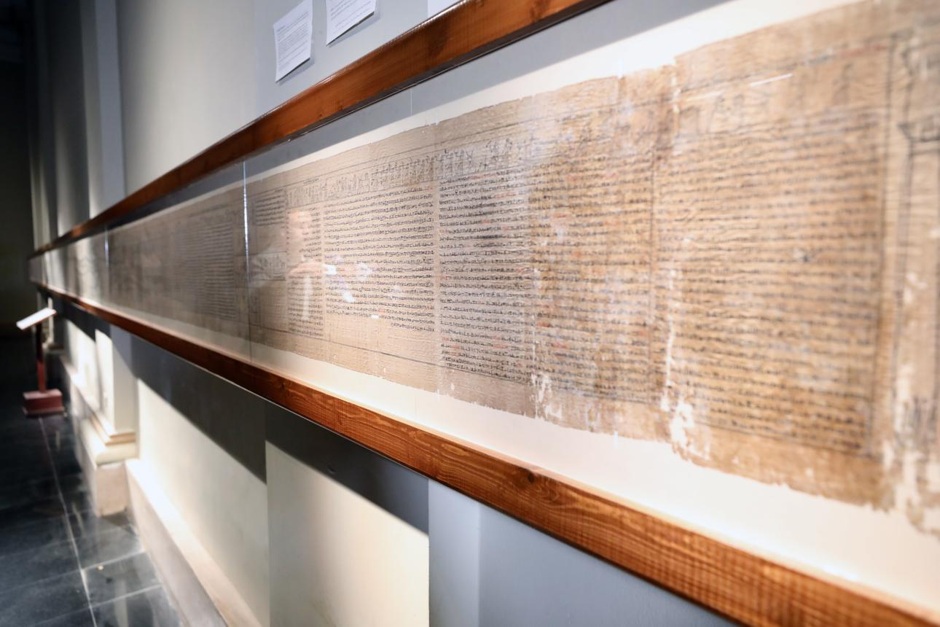
Example: Surviving Egyptian papyri provide information about ancient medicine, religion and everyday life.
C. Stone and metal inscriptions
Stone and metal were used in several ancient civilisations to record laws, royal proclamations, religious teachings and historical events. These media were selected partly because of their relative durability and suitability for permanent public records. Indian example: The inscriptions of Emperor Ashoka provide valuable historical evidence concerning governance, moral principles and religious traditions.
The continued survival of such inscriptions demonstrates the long-term significance of physical information carriers.Historical importance of the ancient period: Preservation was primarily concerned with ensuring the survival of recorded information through durable materials, physical protection and institutional custody.
12. Preservation traditions in ancient India
India possesses an extensive manuscript heritage developed over many centuries. Before the widespread adoption of printed books, knowledge was recorded and transmitted through manuscripts, inscriptions and oral traditions. Traditional Indian manuscripts were produced using different materials depending on local resources and cultural practices.A. Palm-leaf manuscripts
Palm leaves were widely used to record religious, philosophical, literary, scientific, and administrative knowledge in several regions of India. Scholars and scribes prepared manuscripts containing Sanskrit, Tamil and other language texts on palm leaves.
Traditional custody often involved arranging the leaves into bundles, protecting them with boards or cloth, and maintaining them in manuscript repositories. These practices represent historical efforts to extend the survival of documentary records.
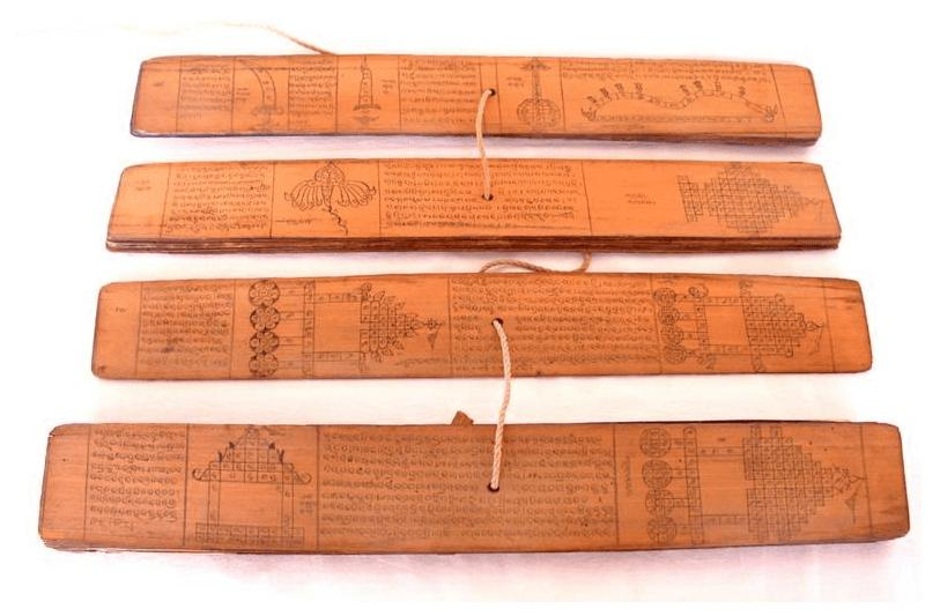
A centuries-old palm-leaf manuscript containing a medical or philosophical text may provide evidence about the history of Indian intellectual traditions.
Such manuscripts possess value not only for their recorded content but also for their handwriting, scripts, materials, and historical associations.
B. Birch-bark manuscripts
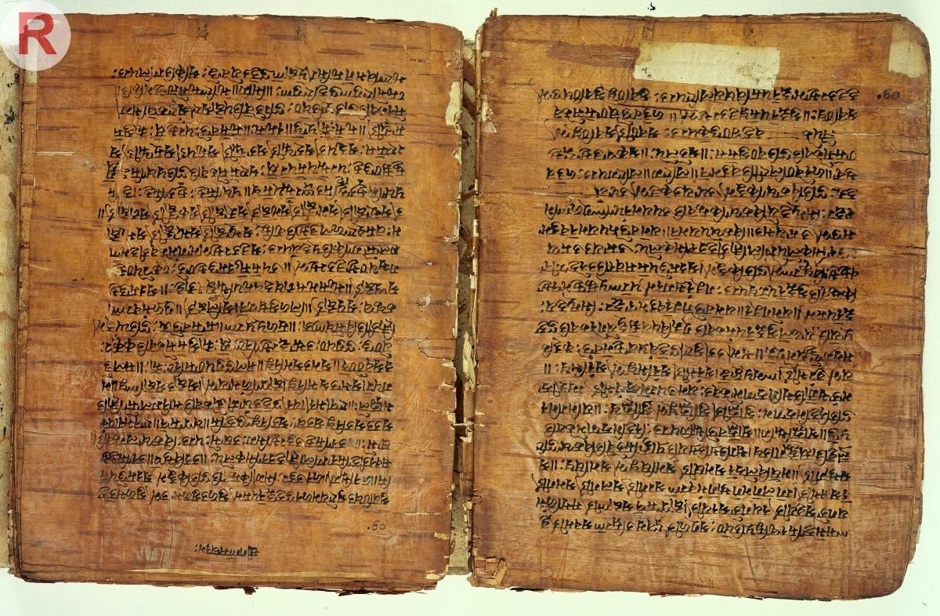
Birch bark, or Bhojpatra, was another traditional writing material, especially associated with parts of northern India and the Himalayan region. It was used to record religious, literary, and scholarly texts. Birch bark consists of natural layers and may become fragile over time. Its survival depended partly on the care exercised by those responsible for the manuscripts.
Example: A historical birch-bark manuscript may help researchers investigate the development of an ancient script, a textual tradition, or a regional literary culture.
C. Manuscript repositories and custodianship
Temples, monasteries, royal courts and centres of learning maintained manuscript collections. Individuals entrusted with manuscripts performed an important custodial role by safeguarding documents and facilitating their transmission. Although their techniques differed from modern conservation, the underlying intention was similar: to ensure that recorded knowledge remained available.
D. Copying manuscripts as preservation of knowledge One of the most important historical practices was the manual copying of texts. Because manuscripts were vulnerable to damage and loss, producing additional copies helped maintain the continuity of knowledge. For example, if a philosophical manuscript was copied and distributed among different scholarly centres, the destruction of a single copy did not necessarily result in the text's disappearance. This process introduced an important distinction between preserving the original physical document and preserving its intellectual content.
However, copying could also introduce textual differences. Therefore, the preservation of original manuscripts remains important for historical and textual research.
13. Preservation during the medieval period
During the medieval period, the growth of religious, scholarly and educational institutions encouraged the maintenance of manuscript collections. Monasteries, temples, madrasas and royal libraries served as centres for the collection and protection of recorded knowledge. The major historical practices included manuscript copying, bookbinding, protective storage and custodial supervision.In European monasteries, scribes worked in scriptoria to reproduce religious and scholarly texts. In India and other parts of Asia, manuscript traditions continued through religious institutions, educational centres and royal patronage. These developments were significant for three reasons.
- First, manuscripts were increasingly maintained within organised institutional collections.
- Second, the copying and distribution of texts helped preserve knowledge even when individual manuscripts were lost.
- Third, the responsibility for preserving recorded materials gradually became associated with identifiable custodians and institutions.
14. Development of printing and its effect on preservation
The growth of printing transformed the production, circulation and collection of books. Although printing technologies had developed earlier in East Asia, the expansion of movable-type printing in fifteenth-century Europe contributed greatly to the subsequent increase in book production and dissemination. As printed books became more widely available, libraries began accumulating larger collections. This development had both positive and negative consequences for preservation.On the positive side, multiple copies of a publication could survive in different institutions. Knowledge was therefore less dependent on the survival of a single manuscript. On the other hand, increased book production and circulation created growing challenges associated with physical wear, storage and collection maintenance.
Example: A text that existed as a single manuscript could disappear if that manuscript were destroyed. Once several printed copies were produced and distributed, there was a greater possibility that its contents would survive. This period demonstrates that the multiplication of copies became an important factor in the survival of recorded knowledge.
15. Nineteenth-century developments: Industrialisation and paper deterioration
The nineteenth century marked a significant turning point. The Industrial Revolution led to the large-scale manufacture of paper and the expansion of the publishing industry. Earlier European papermaking often relied on linen and cotton rag fibres. Industrial production increasingly introduced less expensive wood-pulp papers and manufacturing processes that could leave acidic substances within the finished paper. Many such papers exhibited poor long-term chemical stability.As a result, certain publications produced during the nineteenth and twentieth centuries became vulnerable to yellowing, weakening and brittleness. This deterioration attracted increasing attention from librarians and scholars because large portions of modern library collections were potentially at risk. Some earlier, well-manufactured papers remain structurally sound for centuries.
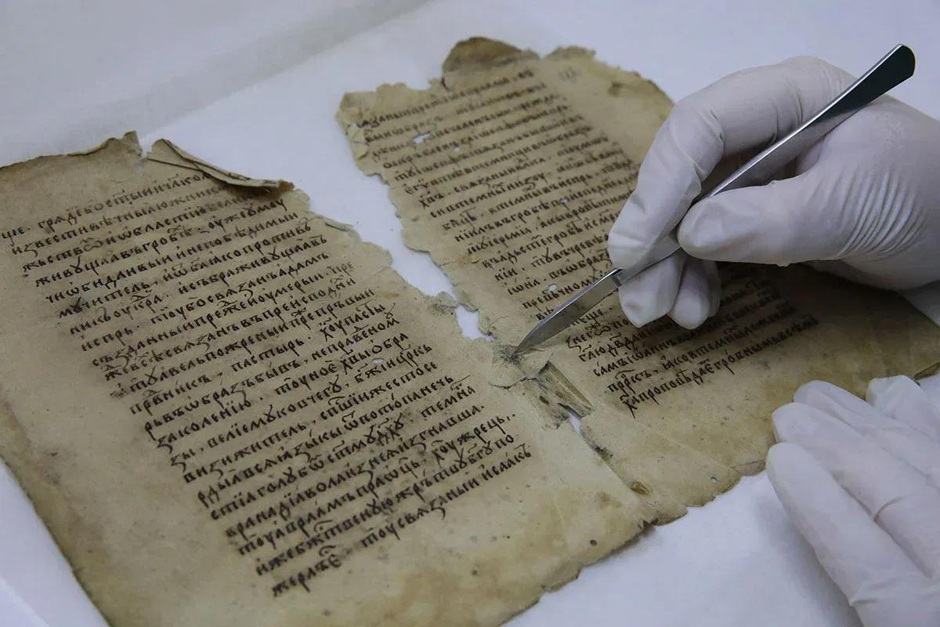
Some mass-produced papers become yellow and brittle over time. Example: A book printed on good-quality rag paper in the eighteenth century may remain more physically stable than a cheaply produced twentieth-century publication.
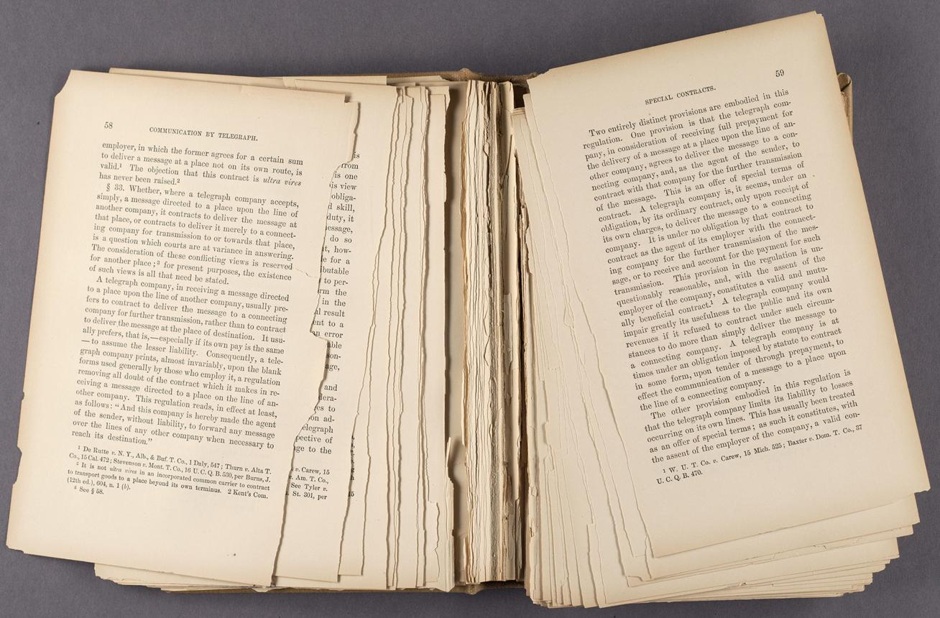
This example illustrates that the age of a document alone does not determine its physical condition. The quality and chemical composition of the material are also important. The acidic paper problem contributed to the growth of scientific research into the causes of documentary deterioration.
16. Twentieth-century developments: Emergence of scientific conservation
During the twentieth century, preservation and conservation increasingly developed into systematic professional activities. The condition of books and manuscripts was no longer understood solely as a matter of routine repair or careful storage. Researchers began examining the scientific causes of deterioration, including the physical and chemical properties of documentary materials.The principal developments included the emergence of conservation laboratories, scientific analysis of materials, professional training, systematic preservation policies and research into ageing and deterioration.
Contribution of William J. Barrow
William J. Barrow was an important figure in twentieth-century research on paper deterioration and preservation. His work helped draw attention to the chemical instability of paper and the need to investigate methods for improving its longevity.
The Library of Congress records the importance of the Barrow Laboratories in the development of preservation research. Its own Preservation Research Laboratory was established in 1970. Scientific conservation shifted attention from merely repairing visible damage to understanding the underlying processes responsible for deterioration.
17. The Florence flood of 1966
The devastating flood in Florence, Italy, in November 1966 was a major event in the development of modern conservation. Floodwaters damaged enormous quantities of books, manuscripts, documentary records and works of art. The disaster attracted international attention and required large-scale cooperation among conservation professionals and volunteers. It exposed the limitations of existing emergency preparedness and encouraged developments in disaster recovery, professional training and coordinated conservation practices.The Library of Congress describes the Florence flood as a significant influence on the development of modern book conservation and emergency management. It established a dedicated Preservation Office in 1967. Example of its significance: The disaster showed that even collections maintained by established cultural institutions could suffer extensive damage within a short period.
It also demonstrated that the preservation of cultural heritage required planning, specialised knowledge and international cooperation.
18. International recognition of preservation and conservation
By the late twentieth century, preservation was increasingly recognised as a matter of international responsibility. Libraries, archives, museums and professional organisations began promoting common principles and coordinated programmes.A. IFLA Preservation and Conservation Programme
The International Federation of Library Associations and Institutions established its Preservation and Conservation (PAC) programme in 1984. Three principles guided it:
- Preservation is essential to the survival and development of culture and scholarship.
- International cooperation is necessary.
- Each country should accept responsibility for preserving its publications.
B. UNESCO Memory of the World Programme
UNESCO launched its Memory of the World Programme in 1992. Its purpose was to promote the protection of documentary heritage and prevent the loss of humanity's recorded memory. The programme has three principal objectives:
- To facilitate the preservation of documentary heritage.
- To promote wider access to documentary heritage.
- To increase awareness of its historical and cultural significance.
C. Development of professional conservation terminology The adoption of conservation terminology by ICOM-CC in New Delhi in 2008 represented another important stage in professional development. It distinguished among preventive conservation, remedial conservation, and restoration, helping to establish a shared understanding of conservation responsibilities.